Recent work
How can local actions on land mitigate climate stress in the ocean?
Themes: Coastal refugia; Land-sea connectivity
Island ecosystems are tightly connected, blurring divisions between land and sea. On high volcanic islands, land-based processes strongly affect marine species and vice versa. Tropical islands are also the site of severe climate stress, where land-based inputs (freshwater runoff, sewage, agricultural pollution, unique coastal species) can exacerbate climate stress or, conversely, facilitate climate refugia. Through research and partnerships in French Polynesia and Hawaiʻi, our lab seeks to support local actions to revive and improve land-sea flows on coral reefs. Current research focuses on identifying sites where freshwater increases or decreases the effects of ocean heatwaves and ocean acidification.
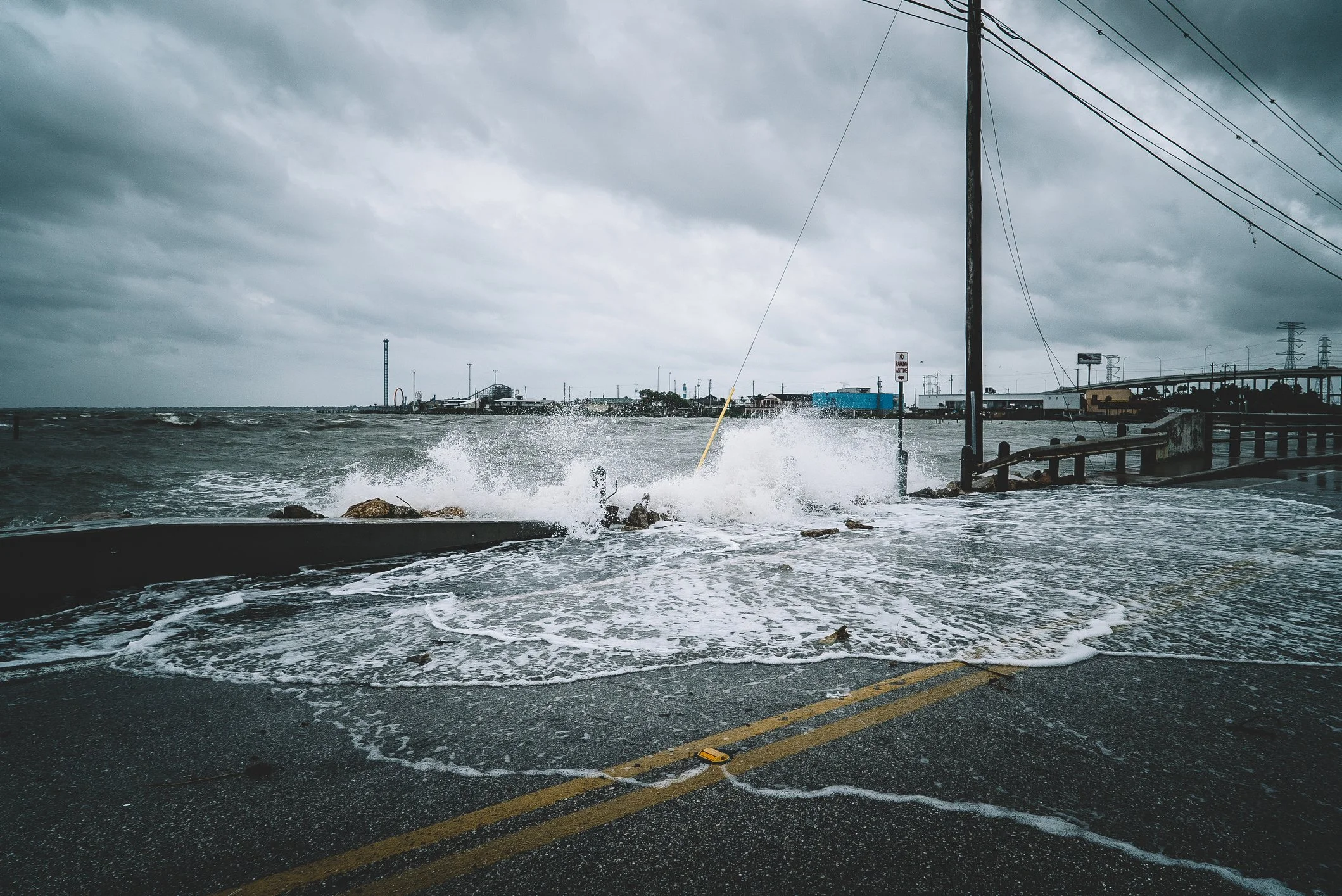
How do atmospheric rivers affect marine organisms in California?
Freshwater runoff in California can affect phytoplankton, salmon, kelp forests, and keystone species like sea otters. Atmospheric rivers are expected to triple in intensity and frequency by 2100, but much remains unknown about how extreme rainfall under climate change affects ocean species. We are developing a freshwater-marine observatory for California, creating the first coast-wide freshwater plume mapping system for the US West Coast. Together with a variety of conservation and restoration groups statewide, we are analyzing the effects of large storms on critical marine species like salmon, shellfish, and sea otters. Results will inform coastal conservation efforts such as California 30 x 30, identifying vulnerable hotspots where future storms create stress on sensitive habitat.
Theme: Land-sea connectivity
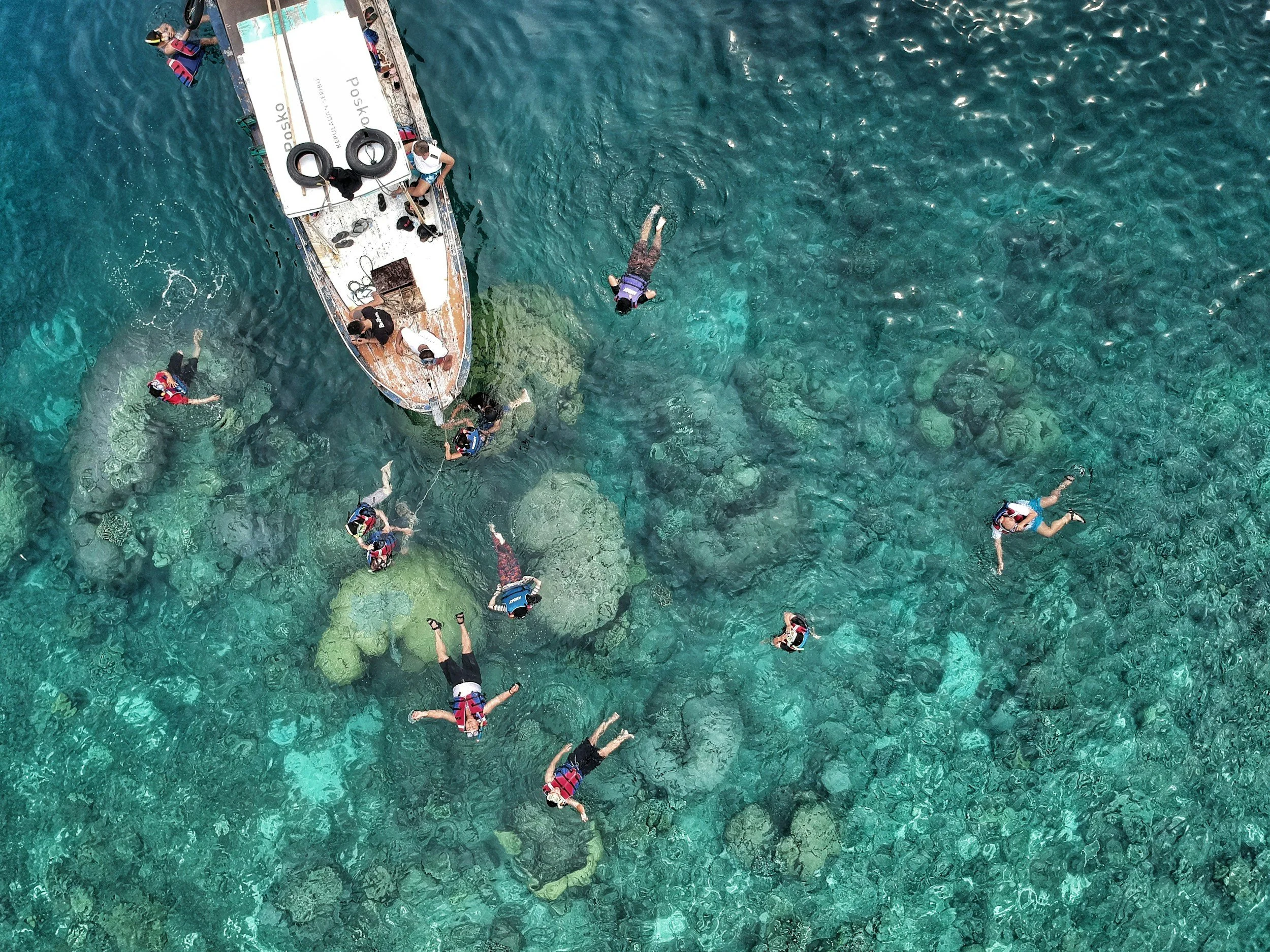
Reef complexity promotes coral recruitment in a Hawaiian-led management zone
Theme: Coastal refugia
As coral mortality increases, there is a critical need to understand drivers of coral regrowth after bleaching events. Corals produce larvae that disperse in the open ocean before selecting a favorable habitat for settlement. In a recent study in PNAS, we measured reef structure at multiple scales using 3D models and aircraft remote sensing to determine how reef geometry affects coral regrowth. We worked with the community of Miloliʻi, Hawaiʻi, which was recently authorized as a Hawaiian-led sanctuary, to identify reefs that have high potential for coral regrowth.
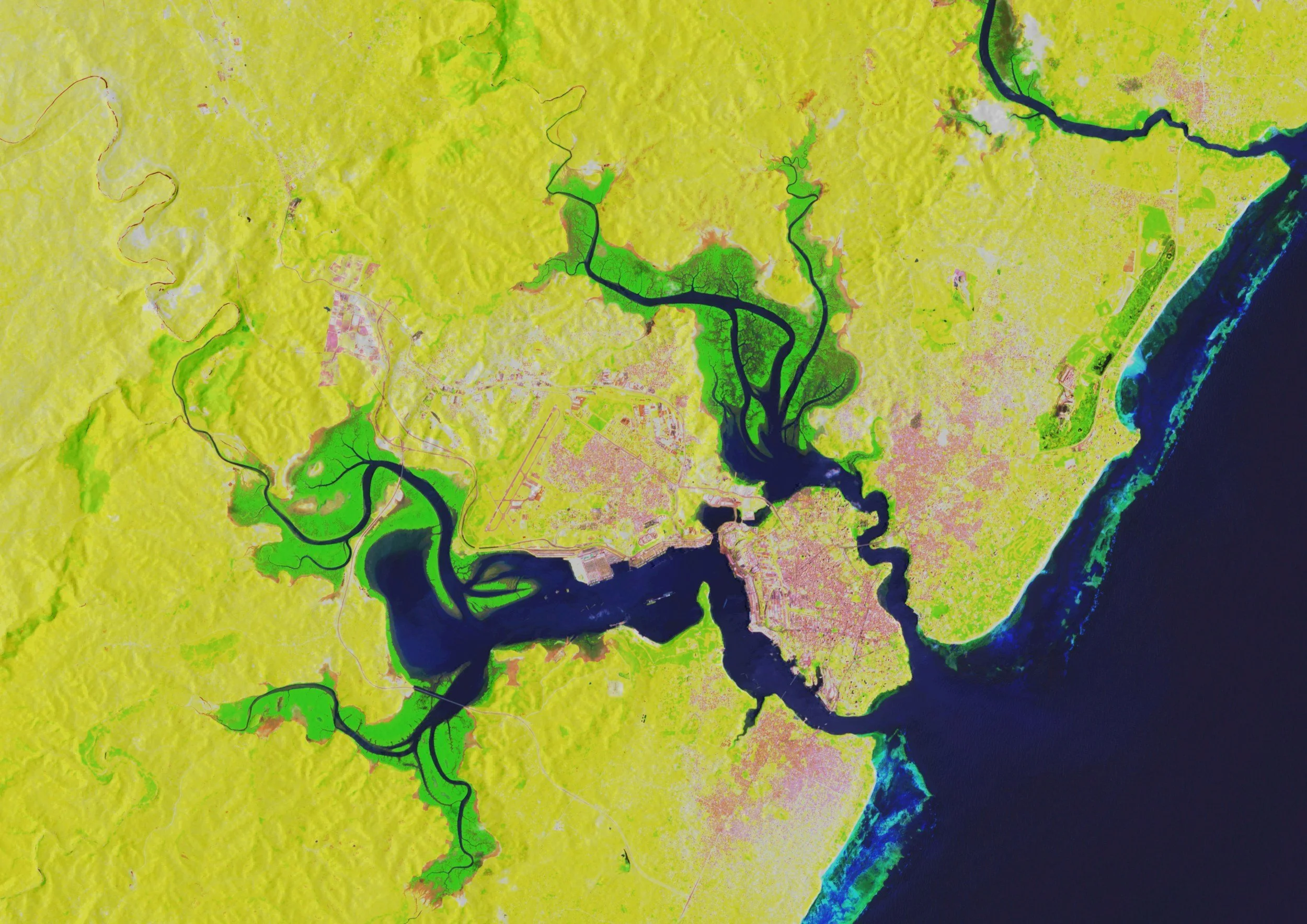
Untapped federal policies can protect nearshore reefs
Themes: Equitable management, Land-sea connectivity
Establishing new regulations can be time consuming and costly. However, existing terrestrial laws can be applied to protect coral reefs. In a recent policy analysis in PNAS, we present legal opportunities to increase coral protections in nearshore reefs under the Clean Water Act, Safe Drinking Water Act, and FEMA emergency management programs. We identify specific policies and procedures (e.g., industrial permit limits, nonpoint source management incentives, floodplain restoration programs) that can curb coastal coral reef pollution, both in the U.S. and worldwide.
How do coastal residents interact with nearshore species?
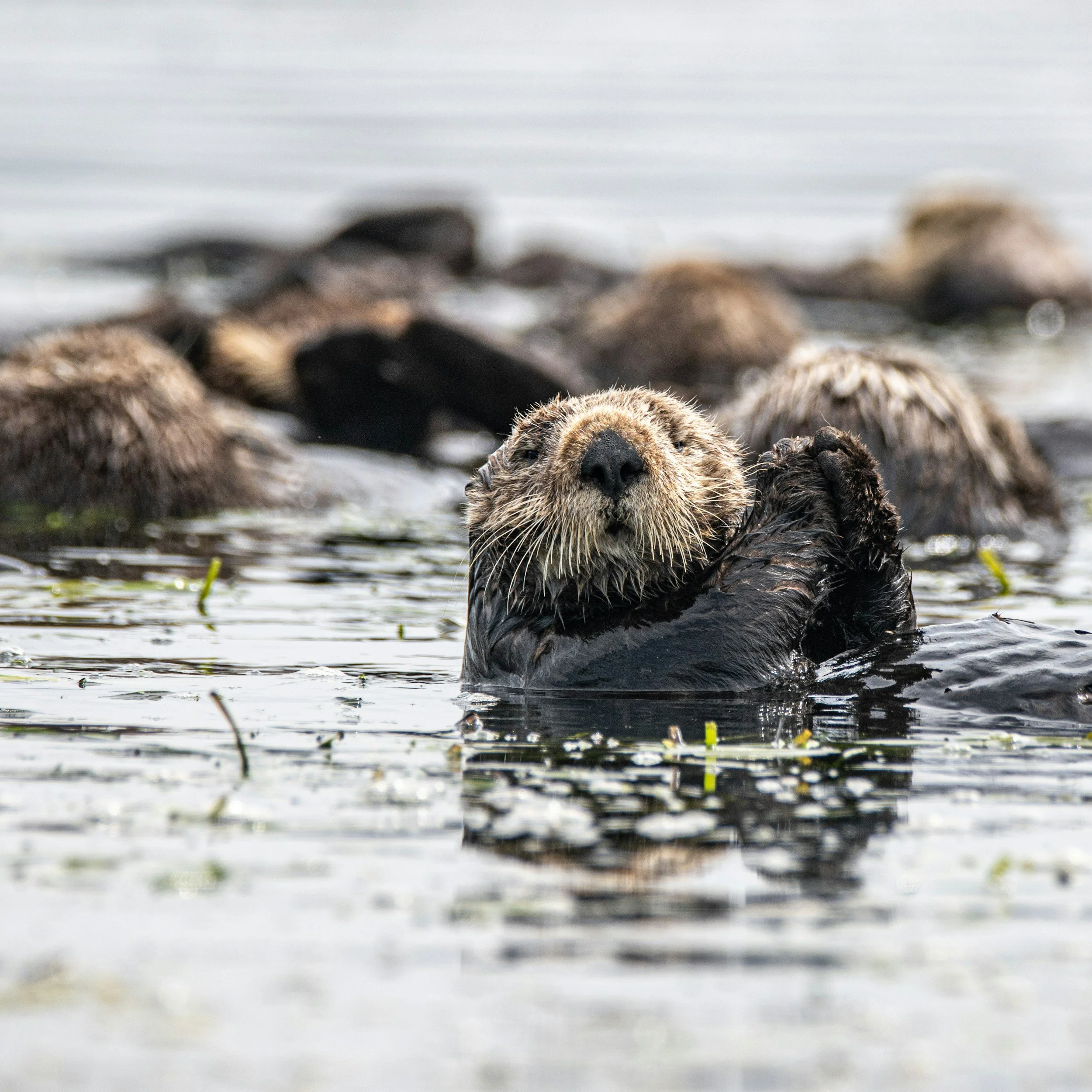
Nearly 40% of the world’s population lives near the coast, neighboring diverse marine species that inhabit the shore. The survival of many nearshore species is closely tied to how they are perceived, used, and valued by local communities. Our research examines these human–marine relationships, including studies of coastal business payments for coral restoration in Hawaiʻi and interactions between coastal residents and sea otters along the U.S. West Coast. Through this work, we seek to identify pathways not only for coexistence, but for mutually beneficial relationships that create positive feedbacks between human livelihoods and marine restoration.
Sediment runoff affects reefs differently in urban and rural areas
Themes: Coastal refugia, Land-sea connectivity
Coral reefs are in rapid decline due to ocean heatwaves and coastal development. Sediment is a common reef pollutant but, during heatwaves, can shield corals from excessive sunlight. In a study published in Remote Sensing in Ecology and Conservation, we used Planet Dove satellite imagery to develop an algorithm for mapping sediment at extremely high spatial resolution (4 m). We then mapped turbidity throughout the Hawaiian Islands during a coral bleaching event. In a study in Frontiers in Marine Science, we found that sediment protects corals from bleaching, but high temperature weakens this effect. Sediment is more protective in urban areas, perhaps because urban corals have preexisting stress-tolerant traits.
Theme: Equitable coastal management